Are You Making These 5 Critical Mistakes When Choosing Soccer Colleges in America? (Australian Players' Guide)
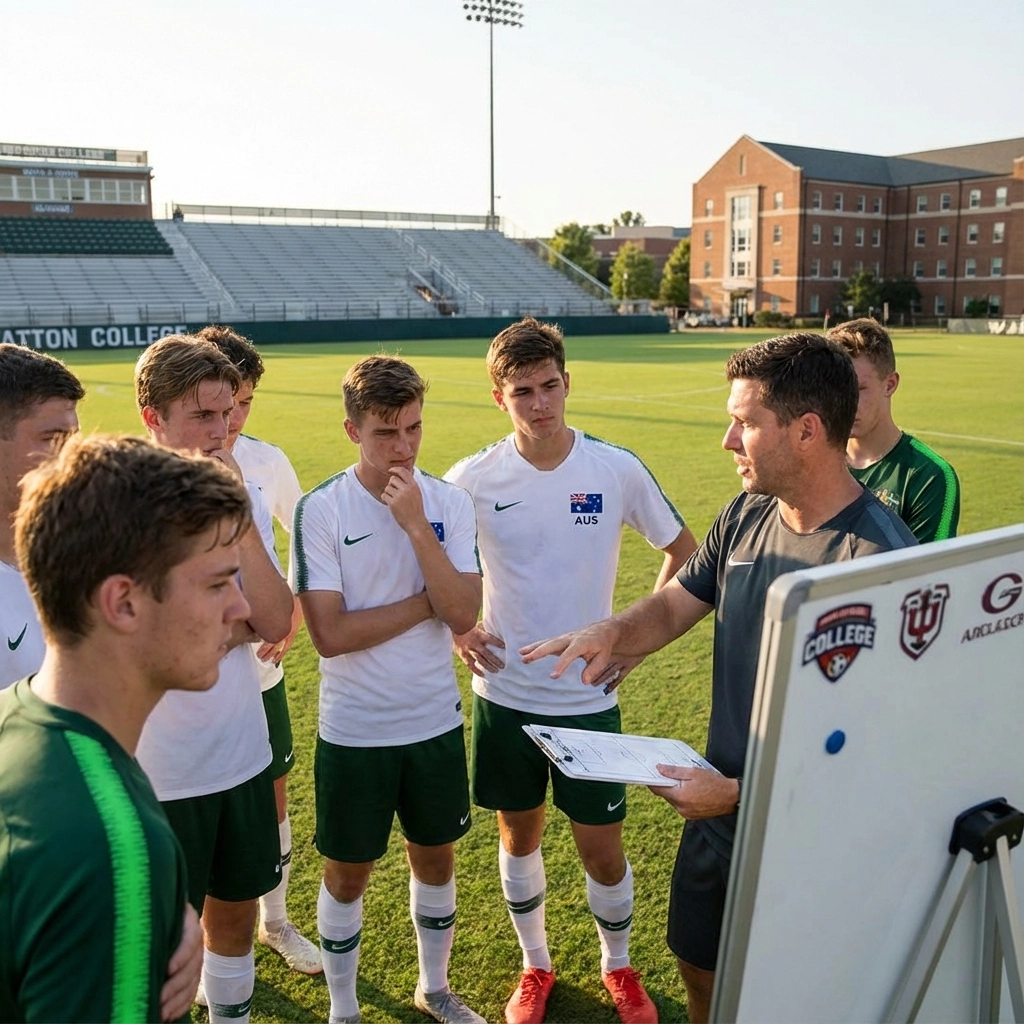
Choosing the right soccer college in America can make or break your student-athlete journey. After working with hundreds of Australian players pursuing best soccer colleges USA opportunities, we've identified five critical mistakes that repeatedly derail promising careers before they even begin.
These errors aren't just minor oversights: they're strategic blunders that can cost you scholarship opportunities, academic success, and long-term career prospects. Whether you're targeting top soccer universities or exploring colleges for soccer in USA options across all divisions, understanding these pitfalls will save you years of frustration and thousands of dollars.
Mistake #1: Tunnel Vision on Division I Schools Only
The biggest mistake Australian players make is obsessing over Division I soccer colleges while completely ignoring other competitive options. This narrow focus stems from a fundamental misunderstanding of the American college soccer landscape.
The Reality of D1 Competition
Division I soccer features only 206 men's programs and 334 women's programs nationwide. With thousands of international players competing for limited spots, your chances of securing a meaningful scholarship at a top D1 program are extremely competitive. Many D1 schools offer partial scholarships that barely cover tuition costs, leaving families with substantial financial burdens.
Hidden Gems in Other Divisions
Division II colleges often provide better value propositions. These programs offer up to 9.9 full scholarships for men and 9.9 for women, frequently distributed more generously than D1 counterparts. Many D2 schools provide excellent academic programs, competitive soccer, and stronger coach-player relationships due to smaller squad sizes.
Division III institutions don't offer athletic scholarships but frequently provide generous academic aid packages that rival D1 athletic scholarships. These schools emphasize academic excellence while maintaining high-quality soccer programs.
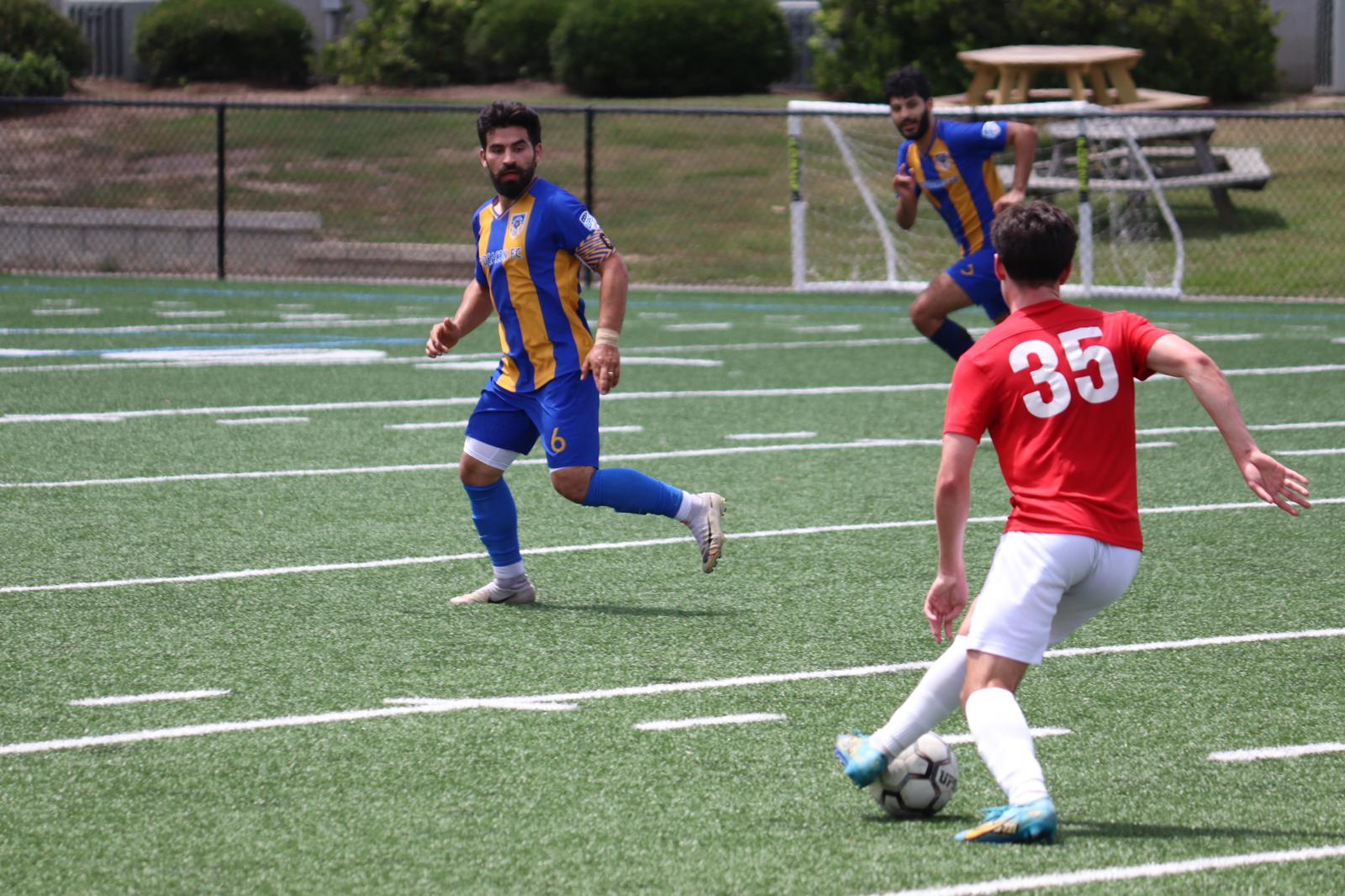
NAIA colleges represent another overlooked opportunity. With more scholarship flexibility and often stronger regional competition than lower-tier D1 programs, NAIA schools can provide exceptional value for Australian players seeking best university for soccer experiences.
Strategic Approach
Create a balanced target list including programs from multiple divisions. Evaluate each school based on:
- Academic fit and career preparation
- Actual scholarship amounts offered
- Playing time opportunities
- Geographic location and climate
- Post-graduation employment prospects
Mistake #2: Ignoring NCAA Eligibility Requirements Until Too Late
Australian players frequently discover NCAA eligibility requirements during their final year of secondary school, creating unnecessary stress and limiting their options. This mistake can eliminate you from consideration at best soccer colleges regardless of your athletic ability.
Core Academic Requirements
NCAA Division I requires completion of 16 core courses during Years 9-12:
- 4 years of English
- 3 years of mathematics (Algebra I or higher)
- 2 years of natural/physical science
- 1 additional year of English, mathematics, or science
- 2 years of social science
- 4 additional core courses from any category
Division II requires 16 core courses with slightly different distribution requirements. Both divisions mandate minimum GPA thresholds and standardized test scores on sliding scales.
Timeline Planning
Start NCAA eligibility planning during Year 10, not Year 12. Register with the NCAA Eligibility Center early and ensure your secondary school courses align with core requirements. Many Australian schools offer flexibility in subject selection: use this to your advantage.
Standardized Testing Strategy
Plan multiple SAT or ACT attempts beginning in Year 11. Australian players often underestimate preparation time needed for these uniquely American assessments. Consider professional test preparation services, particularly for the ACT writing section.
International students must also complete English proficiency testing (TOEFL/IELTS) unless exempted by their secondary school's language of instruction.
Mistake #3: Choosing Schools Based on Name Recognition Rather Than Fit
Australian families often prioritize university prestige over program fit, leading to miserable experiences for student-athletes. This mistake reflects unfamiliarity with American higher education's diversity and complexity.
Academic Fit Considerations
Program reputation matters more than university rankings for career preparation. A specialized business program at a lesser-known university may provide better networking and internship opportunities than a generic degree from a prestigious institution.
Research faculty credentials, class sizes, internship programs, and graduate employment rates in your intended major. Many top soccer universities excel athletically but offer mediocre academic programs in certain fields.
Athletic Program Culture
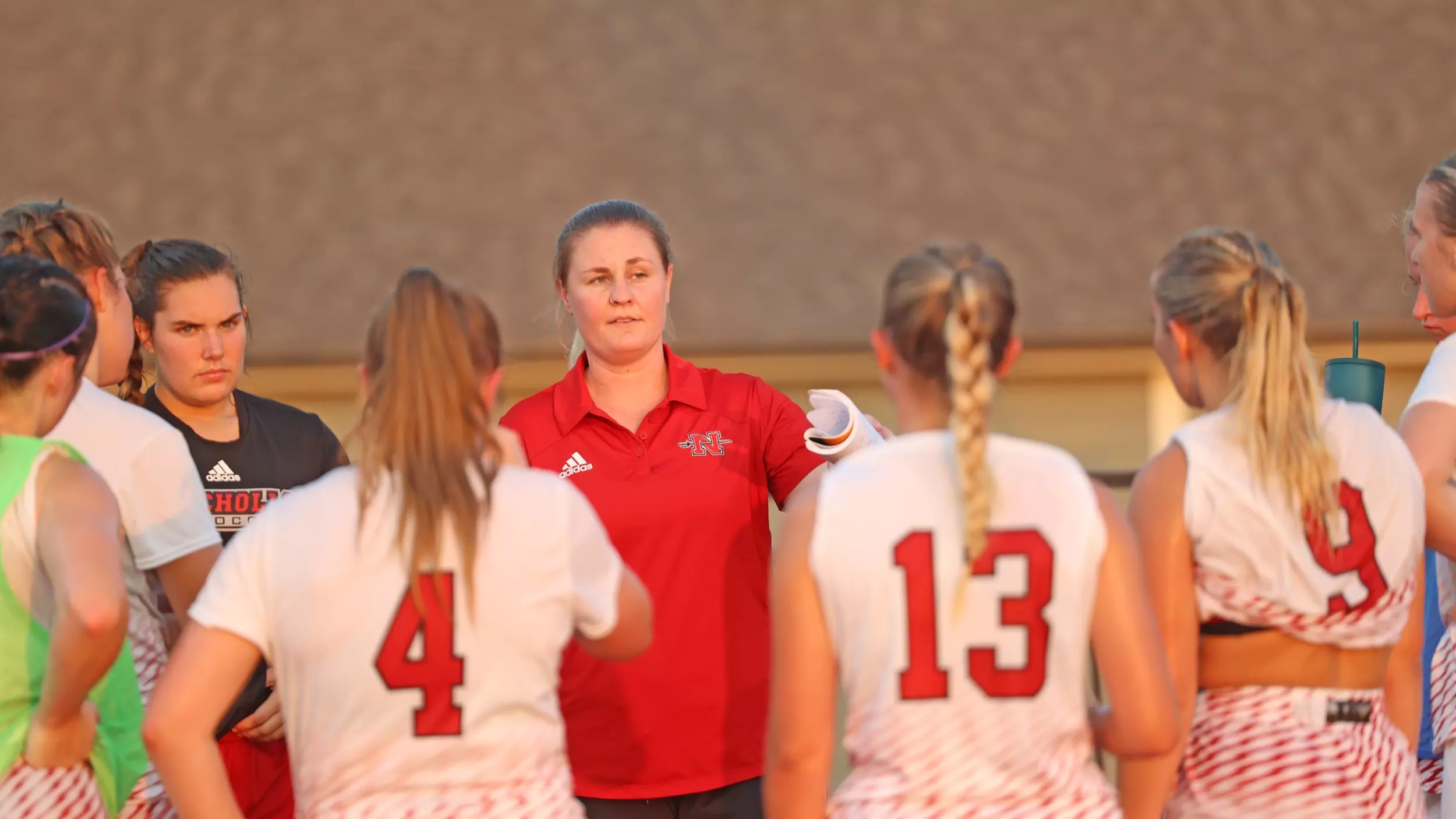
Investigate coaching philosophy, team culture, and player development approaches. Some programs emphasize technical skill development, while others prioritize physical conditioning or tactical understanding. Match your playing style and development goals with appropriate programs.
Examine squad composition and playing time distribution. Programs with large international player populations may offer better cultural support but increased competition for positions.
Geographic and Social Considerations
Climate adaptation significantly impacts Australian players' adjustment periods. Moving from temperate Australian climates to harsh Midwest winters or extreme Southern heat requires mental preparation and appropriate gear investment.
Campus culture varies dramatically across American regions. Conservative rural campuses differ substantially from liberal urban environments. Research student body demographics, social activities, and international student support services.
Financial Reality Assessment
Compare total cost of attendance against scholarship offerings. Many soccer colleges in America provide partial scholarships requiring substantial family investment. Factor in:
- Tuition and mandatory fees
- Room and board expenses
- Books and supplies
- Personal expenses and travel costs
- Health insurance requirements
Mistake #4: Underestimating Geographic and Climate Factors
Australian players consistently underestimate how geographic location impacts their college experience and soccer performance. This oversight leads to transfer requests, academic struggles, and discontinued athletic careers.
Climate Adaptation Challenges
Northern American winters present unique challenges for Australian players accustomed to year-round outdoor training. Temperatures below freezing, snow-covered fields, and limited daylight hours affect training quality and mental health.
Programs in states like Minnesota, Wisconsin, and North Dakota require significant lifestyle adjustments. Indoor training facilities become essential, and vitamin D deficiency becomes a legitimate health concern during extended winter months.
Regional Soccer Strength
Soccer quality varies significantly by geographic region. Traditional soccer hotbeds like California, Texas, Florida, and the Northeast feature stronger competition and better coaching infrastructure. However, these regions also attract more international talent, increasing competition for positions.
Emerging soccer regions in the South and Mountain West offer opportunities for immediate impact but may lack developmental resources and post-graduation networking opportunities.
Travel and Family Considerations
Distance from home affects family visit frequency and emergency response capabilities. West Coast programs offer easier Australia travel logistics but higher living costs. East Coast schools provide better international flight connections but longer travel times.
Consider time zone differences for family communication. A three-hour difference from Australia's East Coast creates manageable communication windows, while West Coast programs require more coordination.

Mistake #5: Failing to Research Coaching Staff and Program Stability
The most overlooked factor in college selection is coaching staff evaluation and program stability assessment. This mistake creates situations where recruited players find themselves in completely different environments than expected.
Coaching Turnover Reality
College soccer coaching features high turnover rates, particularly at struggling programs. Coaches who recruit you may leave before your arrival or during your career. Research coaching history, contract status, and program trajectory.
Investigate assistant coach credentials and recruitment responsibilities. Many Australian players develop stronger relationships with assistant coaches who handle international recruitment.
Program Investment and Support
Athletic department commitment varies dramatically among best soccer universities in the US. Some programs receive substantial budget allocations for travel, equipment, and facilities, while others operate on minimal resources.
Research recent facility investments, training equipment quality, and academic support services. Programs demonstrating institutional commitment typically provide better development opportunities.
Playing Philosophy Alignment
Tactical approaches differ significantly among American coaches. Some emphasize possession-based soccer, while others prioritize direct play or high-pressing systems. Match your technical abilities and preferred playing style with appropriate coaching philosophies.
Investigate player development records and professional pathway success. Coaches with strong connections to professional leagues and consistent development track records offer better career advancement opportunities.
Team Culture and Player Welfare
Examine current and former player testimonials about program culture, coach communication, and academic support. Red flags include:
- High transfer rates without graduation
- Limited academic support services
- Authoritarian coaching approaches
- Poor injury management protocols
Strategic College Selection Framework
Avoid these critical mistakes by implementing a systematic evaluation process:
1. Create Balanced Target Lists
- Include 15-20 schools across multiple divisions
- Prioritize academic fit over athletic prestige
- Consider geographic diversity for options
2. Start Early Preparation
- Begin NCAA eligibility planning in Year 10
- Schedule standardized testing in Year 11
- Maintain detailed academic and athletic records
3. Evaluate Total Fit
- Research academic program quality and career outcomes
- Assess coaching philosophy and program culture
- Consider geographic and climate factors
4. Conduct Thorough Due Diligence
- Interview current and former players
- Research coaching staff stability and credentials
- Evaluate program investment and institutional support
5. Plan Strategic Campus Visits
- Visit during academic sessions, not just soccer camps
- Meet with academic advisors and career services
- Attend team practices and games when possible
Taking Action: Your Next Steps
Understanding these critical mistakes is only the first step toward securing your ideal college soccer opportunity. The best soccer colleges USA programs require strategic planning, early preparation, and comprehensive evaluation processes.
Ready to avoid these costly mistakes and find your perfect college match? Our proven system has helped hundreds of Australian players navigate the complex American college soccer landscape successfully. From NCAA eligibility guidance to scholarship negotiations, we provide the expertise and connections needed to secure your ideal opportunity.
→ Contact Upper 90 College today to start your strategic college selection process
→ Download our comprehensive College Selection Checklist to ensure you evaluate every critical factor
→ Schedule a consultation to discuss your specific goals and create a personalized action plan
Don't let these preventable mistakes derail your college soccer dreams. Take action today to secure your pathway to success in American college soccer.