Best Soccer Colleges USA 2026: How to Choose the Right Program for Aussies
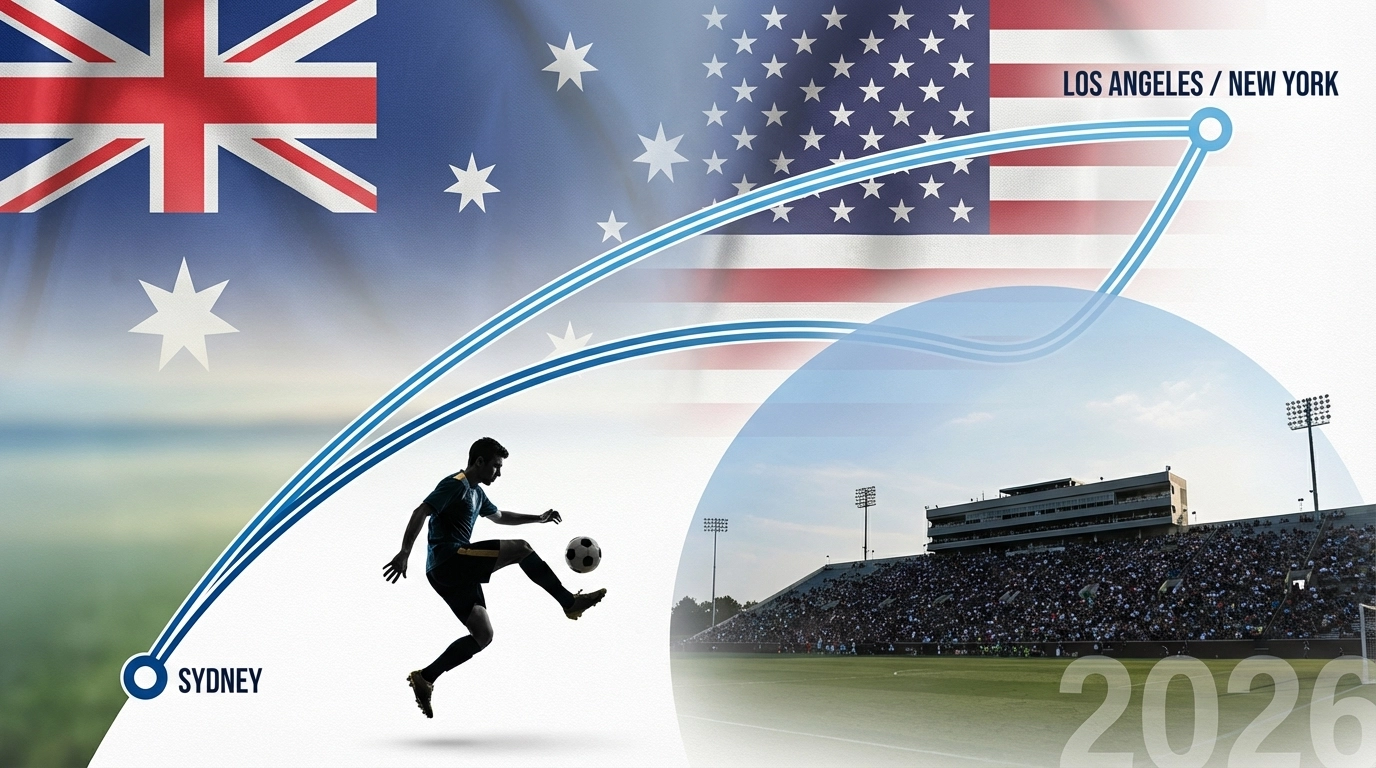
The landscape of American college soccer has transformed dramatically in recent years. With new NCAA roster rules, increased scholarship opportunities, and growing international recruitment, Australian student-athletes now have unprecedented access to elite soccer programs across the United States. But with over 1,600 college soccer programs spanning four different governing bodies, choosing the right fit requires strategic planning and insider knowledge.
For Australian families navigating this complex system, understanding how to evaluate programs goes far beyond simply looking at rankings. The best soccer college for your athlete depends on academic goals, playing level, scholarship potential, and long-term career aspirations.
Understanding the American College Soccer System

American college soccer operates across four distinct divisions, each with different rules, scholarship allocations, and competitive standards:
NCAA Division I represents the highest level, with 206 men's programs and 334 women's programs. These schools offer the most athletic scholarships: 9.9 full scholarships for men's teams and 14 for women's teams. However, these scholarships are typically divided among 25-28 players, meaning most athletes receive partial funding.
NCAA Division II provides a middle ground with 216 men's and 300 women's programs. Scholarship allocations mirror Division I, but the academic and time commitments are generally more balanced. Many D2 programs actively recruit international players and offer excellent pathways to professional soccer.
NCAA Division III features 421 men's and 445 women's programs that emphasize the student-athlete experience. While no athletic scholarships are available, these schools often provide substantial academic and need-based aid. D3 programs typically allow for stronger academic focus while maintaining competitive soccer.
NAIA and NJCAA programs offer alternative pathways, with NAIA schools providing 12 full scholarships per team and junior colleges serving as stepping stones to four-year programs.
Top Programs Driving Excellence in 2026
Based on current rankings and recruiting trends, several programs stand out as premier destinations for international talent:
Division I Powerhouses
Stanford University continues to dominate both academically and athletically, ranking #1 in NCSA Power Rankings. With a 4% acceptance rate and SAT ranges of 1510-1580, Stanford represents the pinnacle of elite college soccer. Their men's and women's programs consistently compete for national championships while maintaining world-class academic standards.
University of Maryland leads the current men's national rankings, known for developing professional talent and maintaining strong international recruitment pipelines. Their College Park campus offers excellent facilities and coaching staff with MLS connections.
Princeton University combines Ivy League prestige with competitive soccer, making it attractive for academically-focused Australian athletes seeking elite education alongside high-level competition.
University of Vermont holds the #1 preseason ranking for 2025, indicating strong program momentum and recruiting success. Their commitment to international players makes them particularly appealing for Australian prospects.
Division II and III Excellence
Top Division III programs like Tufts University, Trinity University (Texas), and Emory University offer exceptional academic reputations with competitive soccer environments. These programs often provide better playing time opportunities for developing international players.
Critical Evaluation Factors for Australian Athletes
1. Academic-Athletic Balance
The most successful Australian college soccer athletes understand that education remains paramount. Research each program's academic support systems, graduation rates, and career placement statistics. Schools like Georgetown, Columbia, and Vanderbilt offer exceptional academics alongside strong soccer programs.
Consider your intended major and whether the school offers specialized programs or internship opportunities in your field of interest. Many Australian athletes pursue business, sports management, or communications degrees that translate well internationally.
2. International Student Support Infrastructure
Evaluate each program's experience with international recruiting and F-1 visa compliance. Schools with established international pathways typically provide better support for Australian athletes adjusting to American culture, academic systems, and NCAA regulations.
Look for programs that offer orientation programs, academic advisors familiar with international student needs, and coaching staff experienced in developing overseas talent.
3. Scholarship and Financial Considerations

Understanding scholarship mathematics is crucial for Australian families. A "full ride" scholarship is extremely rare, with most international players receiving 20-40% athletic scholarships combined with academic aid and need-based assistance.
Calculate total cost of attendance including tuition, housing, meal plans, books, and personal expenses. Many families find that a 50% scholarship at a $70,000 private school may cost more than attending a quality public university with minimal aid.
4. Playing Time and Development Opportunities
Assess your current playing level honestly against program rosters. Research coaching philosophies, player development track records, and professional placement statistics. Some elite programs may offer prestige but limited playing time, while strong Division II or III programs might provide immediate impact opportunities.
Consider programs' relationships with professional organizations, summer leagues, and post-graduation soccer pathways. Many Australian players use college soccer as preparation for A-League, MLS Next Pro, or international opportunities.
5. Geographic and Climate Considerations
Australia's climate varies significantly, but American college locations present unique adaptation challenges. Southern schools like those in the Atlantic Coast Conference or Southeastern Conference offer warmer weather similar to many Australian regions, while northern programs require cold weather adjustment.
Consider proximity to major cities, international airports for family visits, and regional soccer communities that might include other Australian players or coaches.
Strategic Program Evaluation Framework
Phase 1: Initial Research (6-12 months before application)
Begin with broad research using recruiting services, NCAA databases, and program websites. Create spreadsheets tracking academic requirements, scholarship availability, and coaching staff information. Utilize college search tools that filter by academic interests, geographic preferences, and athletic competitiveness.
Phase 2: Direct Engagement (6-9 months before application)
Contact coaching staff directly through email, providing athletic resumes, highlight videos, and academic transcripts. Attend virtual information sessions, request campus visit opportunities, and participate in showcase events where college coaches evaluate talent.
Phase 3: Official Visits and Decision Making (3-6 months before commitment)
Schedule official visits to top 3-5 programs, meeting with coaches, academic advisors, current players, and financial aid officers. Evaluate campus culture, team dynamics, and long-term fit beyond just soccer considerations.
Leveraging Professional Guidance
The complexity of American college recruiting, combined with distance and cultural differences, makes professional guidance invaluable for Australian families. Successful navigation requires understanding NCAA compliance rules, scholarship negotiations, academic requirements, and visa processes.
Programs like Upper 90 College provide comprehensive support throughout this journey, from initial program identification through successful placement and ongoing academic support. Their network includes relationships with coaches across all divisions, ensuring Australian athletes find programs matching their academic, athletic, and personal goals.
Expert guidance helps families avoid common pitfalls like targeting only Division I programs, misunderstanding scholarship structures, or neglecting academic preparation requirements. Professional recruiting services also provide advocacy during scholarship negotiations and troubleshooting support for international student challenges.
Making Your Final Decision
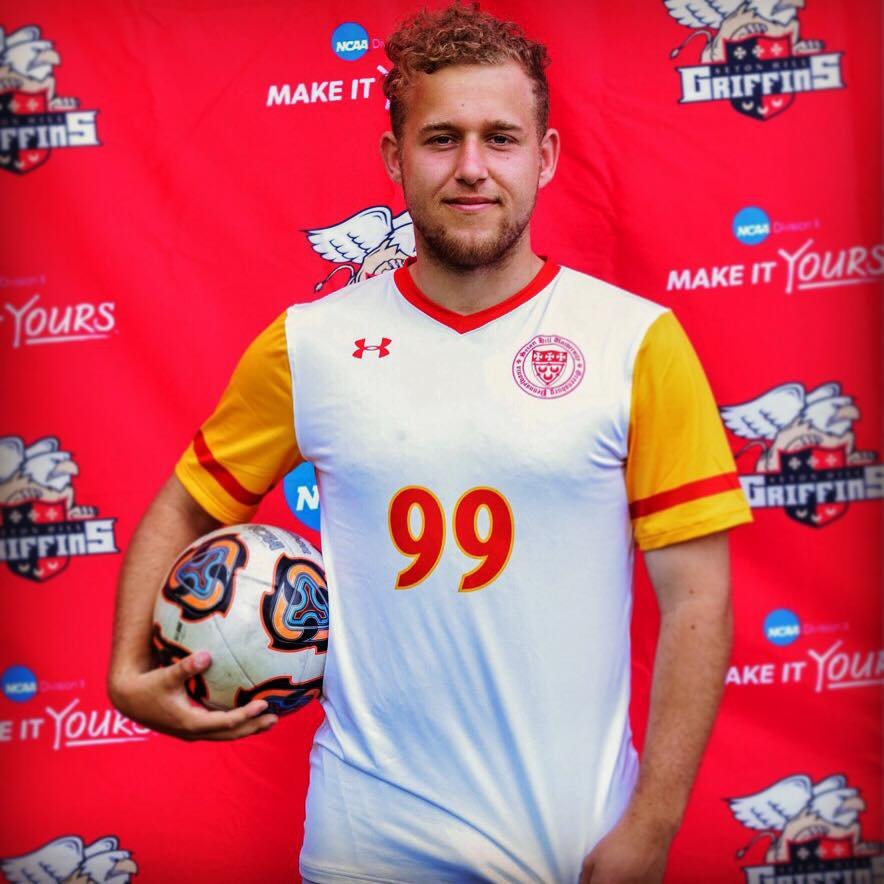
Successful program selection balances immediate goals with long-term aspirations. Consider where you want to be in four years: both academically and athletically. The best soccer college provides excellent education, competitive soccer experience, personal growth opportunities, and strong alumni networks.
Remember that transferring between programs is common in American college soccer, with transfer portal rules allowing greater flexibility. However, initial program selection significantly impacts your overall experience and success.
Ready to begin your American college soccer journey? Start by researching programs that align with your academic interests and athletic abilities. Connect with current Australian players in American programs, attend local recruiting events, and consider professional guidance to maximize your scholarship opportunities and ensure successful program placement.
The right American college soccer program will transform your athletic career while providing world-class education and lifelong connections. Begin your evaluation process today to secure your place in this exciting pathway to soccer and academic success.
- Book a free consultation → https://calendly.com/jstevanja-u90college/30min