Best Soccer Colleges USA: How 2025's NCAA Rule Changes Are Creating New Scholarship Opportunities
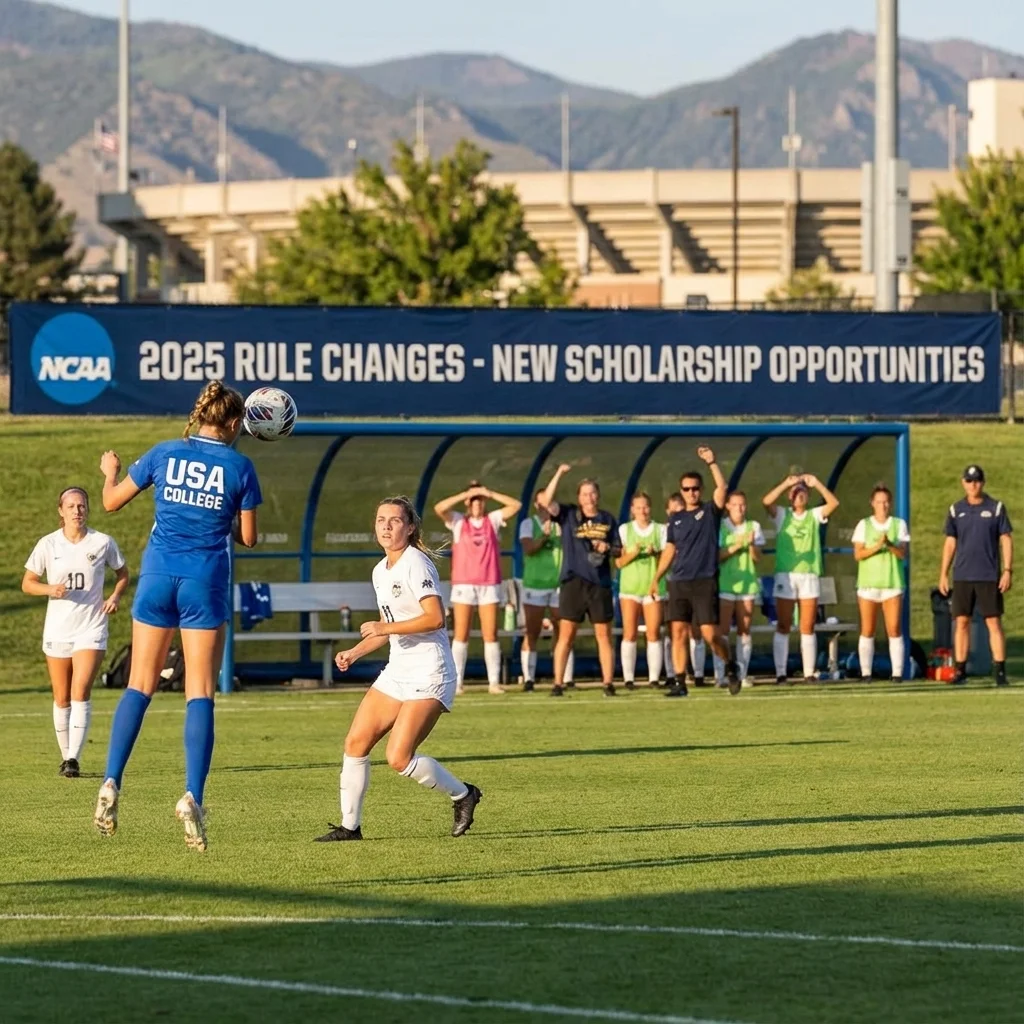
2025 Rule Changes in the NCAA are changing the landscape of college soccer!
The landscape of college soccer in the United States has undergone a massive transformation in 2025, and if you're an Australian footballer (or parent) dreaming of a US scholarship, these changes could be exactly what you've been waiting for. The recent NCAA rule overhauls aren't just tweaking the system, they're completely reimagining how best soccer colleges USA distribute scholarships and support their athletes.
Here's the thing: while everyone's been talking about these changes in abstract terms, most families still don't understand what they actually mean for real opportunities. Let's break down exactly how the 2025 NCAA rule changes are opening doors that simply didn't exist before, and why this might be the perfect time to pursue that American college soccer dream.
The Game-Changing House v. NCAA Settlement
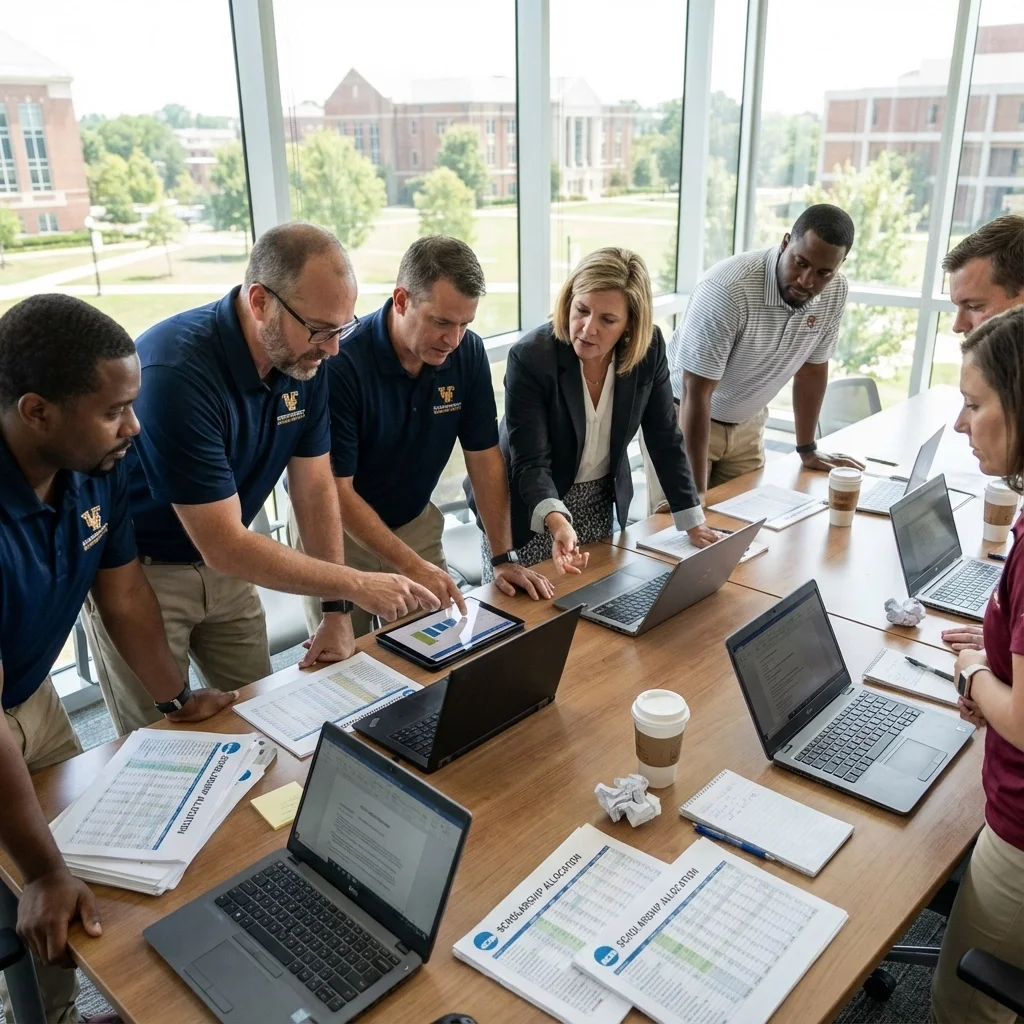
The biggest shake-up comes from the House v. NCAA lawsuit settlement, which has fundamentally altered how colleges can compensate student-athletes. Starting July 1, 2025, the old restrictions on athlete compensation were swept away after former college athletes successfully challenged the NCAA's policies as antitrust violations.
What does this mean in practical terms? Every single rostered player can now receive athletic aid, and colleges can provide direct revenue-sharing payments on top of traditional scholarships. For families researching what colleges have d1 soccer programs, this represents the most significant expansion of financial support in college sports history.
The New 28-Player Model: More Scholarships, Higher Competition
Under the new system, every soccer program is capped at exactly 28 rostered players, no more, no less. But here's where it gets interesting: all 28 of those spots are now eligible for athletic aid. Previously, many programs carried 30+ players with only a fraction receiving scholarships. Now, the math works entirely differently.
The scholarship expansion is real, but so is the increased selectivity. Coaches can no longer rely on walk-ons or developmental players to fill out rosters. Every spot must be earned, and every player represents an investment. This creates a more professional environment while simultaneously making the recruitment process more competitive.
For Australian players, this means coaches are looking for athletes who can contribute immediately, both on the field and in the classroom. The days of gradual development over four years are largely gone; programs want players who are ready to compete from day one.
Revenue-Sharing: The New Financial Landscape
Beyond traditional scholarships, the 2025 changes introduce direct revenue-sharing payments from schools to athletes. This isn't NIL money, it's institutional funding that sits alongside scholarship packages. For top-level programs among the best soccer colleges, this could mean thousands of additional dollars per year on top of tuition, room, and board coverage.
The revenue-sharing model varies significantly between programs. Top soccer universities with strong athletic departments and alumni networks can offer more substantial packages, while smaller programs focus primarily on traditional scholarship aid. This creates a tiered system where the most competitive programs can provide total compensation packages that weren't imaginable under the old rules.
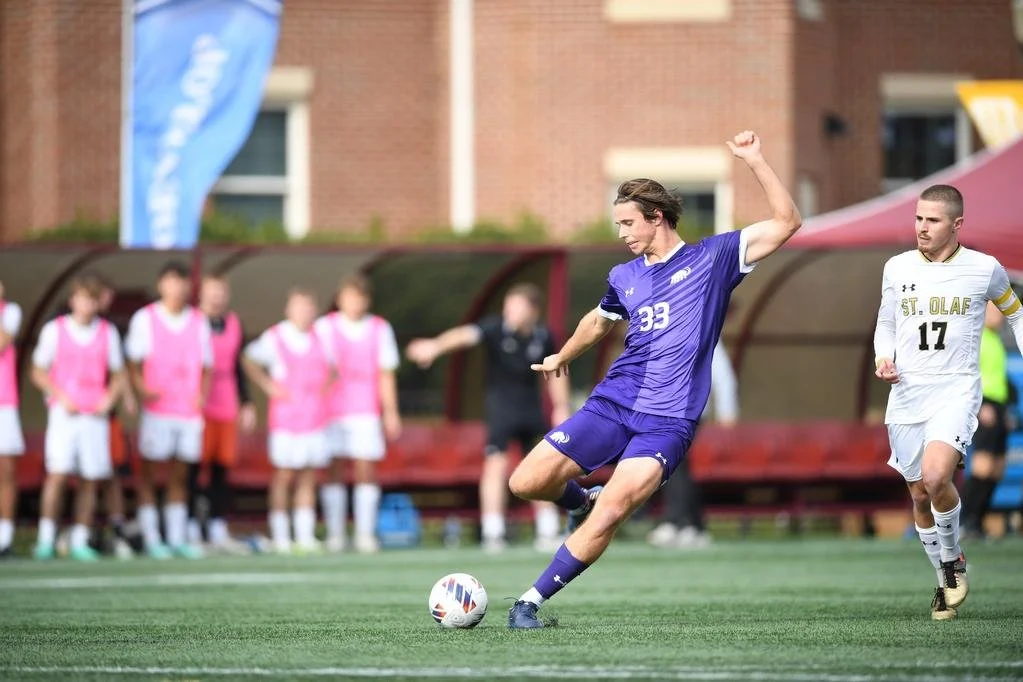
Upper 90 college alumni Simon Kalinauskas shooting for goal with Amherst College (NCAA D3) in the national tournament.
What This Means for International Recruits
As an Australian player, you're entering this new landscape with some distinct advantages. International experience and diverse playing styles are increasingly valuable as coaches build more selective 28-player rosters. Programs want players who bring something unique to the table, and Australian footballers often possess technical skills and tactical awareness that complement American athleticism perfectly.
However, the increased competition means academic performance is more crucial than ever. With fewer total spots available and every player receiving aid, coaches need athletes who won't struggle academically. Strong grades and test scores aren't just helpful, they're often essential for international recruits competing against domestic players.
The new financial structure also works in favor of international students. Previously, many programs offered partial scholarships that didn't cover the full cost of attendance for international students. Now, with revenue-sharing opportunities and expanded aid eligibility, best soccer colleges USA can create more comprehensive support packages that actually make studying abroad financially viable.
Strategic Positioning for the New Era
Given these changes, Australian players need to approach US college recruitment differently than they would have even two years ago. Elite technical ability combined with proven match fitness is now the baseline expectation, not a nice-to-have. Coaches are looking for players who can step into starting lineups immediately or provide meaningful depth from the bench.
Video analysis and performance metrics have become even more important in the recruitment process. Coaches can't afford to take chances on players who might develop, they need evidence of current ability. This means highlight videos need to showcase game intelligence, not just individual skill. Coaches want to see decision-making under pressure, tactical awareness, and the ability to elevate teammates' performance.

Upper 90 alumni, and 2016 NAIA National Champion for Hastings College, Nebraska, Daniel Linstead, playing semi professionally in the NPSL in the USA professional soccer system.
The academic side requires equal attention. Strong English proficiency and demonstrated academic success are non-negotiable for international recruits competing in this new landscape. Programs can't afford to lose players to academic difficulties when every roster spot represents a significant investment.
Finding the Right Program Fit
With the new 28-player limit, program fit has become more important than ranking alone. A player might have a better opportunity at a strong Division II program than sitting on the bench at a top-tier Division I school. The key is finding programs where your playing style matches the coach's tactical approach and where you can contribute meaningfully to the team's success.
Research into best soccer universities should focus on playing time opportunities, not just prestige. Look at roster turnover, graduation rates, and how programs have historically developed international players. Some mid-tier programs offer better pathways to professional opportunities than highly-ranked schools where playing time is limited.
The coaching staff's track record with international players is particularly crucial. Programs with experience integrating Australian players understand the adjustment process and can provide better support during the transition period.
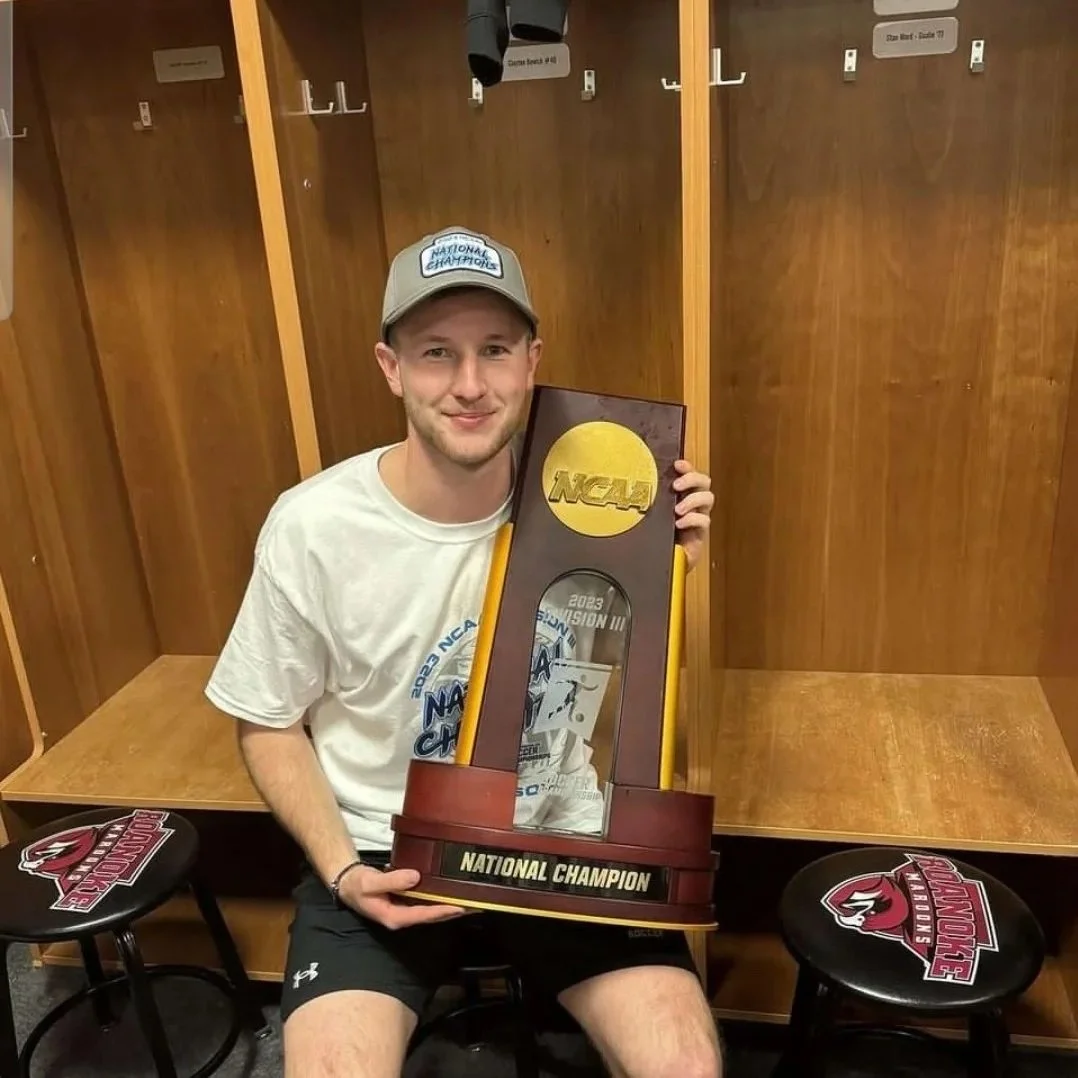
Upper 90 Alumni & 2023 NCAA D3 National Champion with St. Olaf College, Zac Harvey Latham
Practical Steps for 2025 Recruitment
Given these changes, the recruitment timeline has compressed significantly. Coaches are making decisions faster and expecting quicker commitments from recruits. The old model of gradual relationship building over months has given way to more immediate evaluation and decision-making processes.
Start with a comprehensive skills assessment that honestly evaluates your current ability against collegiate standards. Video footage should be recent and game-based, showing real match situations rather than training exercises. Include clips that demonstrate tactical awareness and team play, not just individual brilliance.
Academic preparation cannot be overlooked. Strong SAT/ACT scores and transcripts are essential for international students, particularly with increased competition for limited spots. Begin standardized test preparation early and consider retaking tests to improve scores if necessary.
The Upper 90 College Advantage
Understanding these new NCAA regulations is complex, and navigating them successfully requires expert guidance. The 2025 changes have created opportunities, but they've also made the recruitment process more technical and competitive than ever before.
At Upper 90 College, we're seeing firsthand how these changes are creating new pathways for Australian players. Our comprehensive approach combines athletic development with academic preparation and cultural transition support: exactly what's needed to succeed in this new landscape.
The window for 2025-26 recruitment is already underway, and programs are making decisions faster than in previous years. If you're serious about pursuing college soccer in the United States, the time to begin this process is now, not later.
→ Ready to explore your options? Contact Upper 90 College today to discuss how the 2025 NCAA changes might create opportunities for your college soccer journey.